Deepfake Attacks 2026: The New Frontier of Cybersecurity and Identity Warfare
The Shift from Mimicry to Mastery
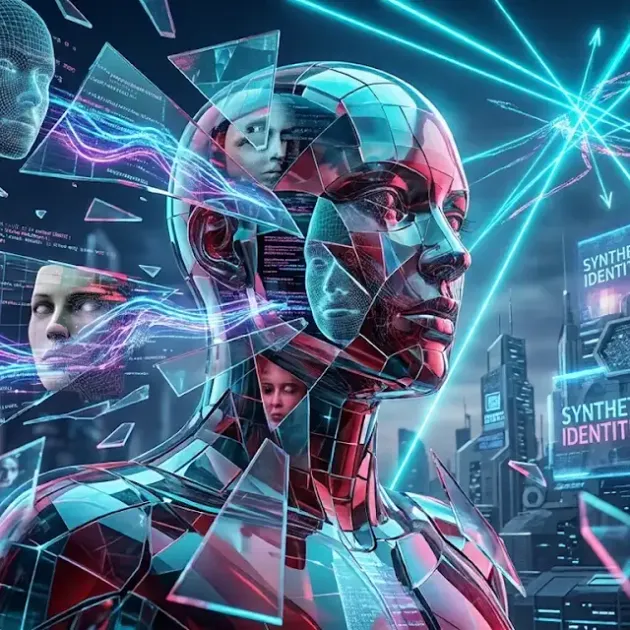
By 2026, the boundary between biological reality and synthetic media has blurred into non-existence. We have moved beyond the era of 'glitchy' face-swaps into a landscape where Generative Adversarial Networks (GANs) and Diffusion Models can synthesize high-fidelity audiovisual content in real-time with zero latency. For software developers, startups, and security architects, this isn't just a technical curiosity—it is the most significant threat vector of the decade.
The Mechanics of the 2026 Deepfake Threat
Deepfake technology has evolved into what experts call "Generative Identity Theft." Unlike the static phishing attempts of the past, 2026-era attacks leverage:
- Real-time Voice Synthesis (RVC): Low-latency voice conversion that can bypass voice biometrics in banking and secure communications.
- Neural Rendering for Live Video: The ability to inject synthetic frames into live video streams (Zoom, Teams) to impersonate C-suite executives.
- Automated Social Engineering: AI agents that scrape social media to build perfect psychological profiles, then generate hyper-personalized deepfake lures.
Critical Attack Vectors for Startups and Developers
1. Business Communication Compromise (BCC)
Traditional Business Email Compromise (BEC) has graduated to video. Startups are particularly vulnerable to "The CEO Fraud 2.0," where an employee receives a video call from their 'founder' requesting an emergency wire transfer or access to a production database.
2. Bypassing KYC and Biometric Security
Many FinTech startups rely on 'Liveness Detection' for KYC (Know Your Customer). Modern deepfakes can simulate micro-expressions and pulse-related skin color changes (PPG) that older liveness detection algorithms used to trust.
3. Code Injection and Social Repo Engineering
Deepfakes are now used to impersonate senior developers in recorded technical walkthroughs, tricking junior devs into merging malicious code or revealing environment variables.
Technical Defense Strategies: Building Resilience
To counter these threats, the industry is shifting toward a "Zero Trust Media" architecture. Developers must integrate the following:
- C2PA Metadata Standards: Implementing the Coalition for Content Provenance and Authenticity (C2PA) protocols to cryptographically sign every piece of media produced or consumed by your platform.
- Multi-Modal Biometrics: Moving beyond simple face/voice recognition to include behavioral biometrics (keystroke dynamics, mouse movement) which are harder for AI to replicate.
- Blockchain Provenance: Utilizing decentralized ledgers to verify the origin and edit history of critical corporate communications.
The Conclusion: A Proactive Security Posture
As we navigate 2026, cybersecurity is no longer just about firewalls and encryption; it's about identity verification in a synthetic world. Startups must prioritize "Human-in-the-loop" protocols for high-stakes decisions and invest in AI-driven detection tools that analyze the frequency domain of audio/video for synthetic artifacts invisible to the human eye.
The era of 'seeing is believing' is officially over. The era of 'verifying is surviving' has begun.